Is the Cloud Stinger S Still Good in 2026? Long-Term Review
I've been using the Cloud Stinger S for about eight months as my daily headset for work, gaming, and casual music listening. When I first picked it up I wanted a comfortable, affordable headset that didn't feel like a compromise after a few weeks of heavy use. In this long-term review I'm sharing what I actually lived with: what I liked, what irritated me, where it still stands in 2026, and whether I think it's worth buying today.
Quick context: what I used it for
My typical week looks like this: 30–40 hours of voice/video calls, a few hours of music while writing, and 10–15 hours of gaming across PC and console. I tested the Stinger S across all those scenarios. I also kept it plugged in and on my desk most days, so I could see how it handled regular wear — sweat from long sessions, accidental drops from leaning back, and the day-to-day rigmarole of cable management.
First impressions and the unboxing experience
Out of the box the Stinger S felt pleasantly light. I appreciated the simple packaging and the headset's clean finish. The ear cups don't feel premium, but they don't feel flimsy either. I noticed right away that the clamping force was on the lighter side — comfortable for long sessions but secure enough that it doesn't slide around when I move my head. The microphone was easy to position and the inline controls were straightforward.
Build quality and long-term durability
After eight months of near-daily use, the headset shows only modest signs of wear. The headband padding compressed a little, which is normal for foam, but it didn't become uncomfortable. The plastic construction survived a couple of bumps and a brief drop from my desk without visible cracks or functional issues. One thing I noticed: the paint/finish on some of the adjustment sliders has light scuffing where it rubs the headband — not a functional problem, but it does make the headset look a bit lived-in faster than some metal-framed options.
Overall durability has been fine for the price point. I wouldn't expect this to last a decade like a premium all-metal headset, but for regular use over a couple of years it should hold up if you treat it reasonably.
Comfort and fit
Comfort is where the Stinger S shines for me. The ear pads are soft and let my ears breathe during long calls, and the relatively light clamping force means I can wear it for several hours without pressure headache. I appreciated the swivel cups and the way they sit around my ears — I can move, nod, or lean back without losing a seal entirely.
That said, if you have very large ears or prefer a heavier plush padding, you might find the cups a touch shallow after long listening sessions. For my head shape the fit was excellent, and I was surprised by how comfortable it stayed after multiple marathon streams and full workdays in a row.
Sound quality — games, music, and movies
What I found was that the Stinger S delivers solid, usable sound for its class. In FPS games I could clearly pick out footsteps and directional cues, which matters far more than theatrical bass at this price. The midrange — where most voices and important in-game sounds sit — was clear and immediate. For music, the headset leans slightly toward a V-shaped sound signature: punchy highs and a modest bass boost. It makes pop and electronic tracks sound engaging, but complex jazz or orchestral passages occasionally feel a bit less nuanced.
When I watched movies in the evening, the soundstage felt serviceable rather than immersive. I wasn't fooled into thinking this headset would replace desktop speakers or a dedicated surround setup, but it delivered a satisfying experience for dialog-heavy content and action scenes.
Discover deals on Audio & Headphones — updated daily.
View Offers →One practical observation: the passive noise isolation is decent but not exceptional. If I wanted to block a noisy roommate or a loud dishwasher, the Stinger S helped but didn't completely cancel ambient noise. For quieter home office spaces it's fine; for noisy environments you might want active noise cancellation or closed-back cups with thicker padding.
Microphone quality and voice chat
In my experience the microphone is one of the Stinger S's most honest components: understandable and reliable, but not studio-grade. People in my Discord and work calls regularly told me my voice came through clearly. The mic picks up the proximity voice well and cancels some background noise, but it can sound thin if you speak quietly or move farther from the boom. For streaming, I used the mic as a backup and relied on a separate USB mic for primary commentary because the Stinger S lacks the richness and warmth that a podcasting mic gives.
I liked the convenience of being able to mute quickly and the ease of positioning the boom. But if you plan to create content where mic quality is critical, plan to use a dedicated microphone or a better headset mic.
Controls, connectivity, and software
The controls are minimal and intuitive: volume wheel and mute. I appreciated not having to fumble through a smartp…There is optional software support that allows for EQ adjustments and simple virtual surround processing. I tested those settings and they can slightly broaden the perceived space or tune the bass/treble, but nothing in the software fixed the headset's inherent limitations. Still, the EQ presets are useful if you want to nudge the sound toward gaming or music.
What I appreciated most
- Comfort over long sessions: I noticed that I didn't need to take frequent breaks because of discomfort. That matters when you have long meetings or stream for hours.
- Good positional audio for the price: Footsteps and directional cues are distinct, which helped in competitive matches.
- Simple, usable controls: No overly complicated companion app required for day-to-day use.
- Solid long-term reliability: After months of use the headset still works as expected with only light cosmetic wear.
What bothered me
- Mic isn’t streamer-grade: The mic is fine for chat but can't match a dedicated USB microphone for clarity and presence.
- Finish shows wear: The adjustment sliders scuff visibly with normal use.
- Soundstage is limited: For immersive single-player games or cinematic movie listening, the headset feels a bit constrained compared to higher-end alternatives.
- Passive isolation is limited: If you need to block loud external noise, this won't be a full solution.
Pros & Cons
- Pros:
- Very comfortable for long sessions
- Clear midrange and useful positional cues for gaming
- Lightweight and easy to wear for work and play
- Durable enough for daily use at this price
- Intuitive controls — low fuss
- Cons:
- Microphone is adequate but not excellent for streaming
- Material finish scuffs with regular handling
- Thin soundstage compared with premium headsets
- Not the best at isolating loud ambient sounds
Comparison with similar options
To help put the Stinger S in perspective, I compared it to two other headsets I’ve spent time with: the original Cloud Stinger (the older model I used previously) and a typical budget gaming headset many people consider as an alternative.
| Feature | Cloud Stinger S (my experience) | Cloud Stinger (original) | Typical budget alternative |
|---|---|---|---|
| Comfort | Very comfortable for long sessions; light clamp | Comfortable but slightly firmer clamp | Comfort varies; often less refined padding |
| Sound for gaming | Clear positional cues, punchy highs | Good, but slightly less refined imaging | Can be boomy or muddy at times |
| Microphone | Clear for chat; not streamer-quality | Comparable; slightly less noise suppression | Inconsistent; some are quite poor |
| Build / Durability | Plastic but sturdy; cosmetic wear shows | Similar plastic build; older units showed more wear | Often flimsier construction |
| Extras (software / adapter) | Simple software EQ; USB adapter improves consistency | Often basic; fewer software features | Minimal extras |
| Value | Strong value in 2026 if you want comfort + gaming clarity | Great value historically | Sometimes cheaper but trade-offs in comfort and sound |
Buying guide: is the Cloud Stinger S right for you?
When I decide whether a headset is right for me I ask a few practical questions — here's how the Stinger S performs against them and what you should consider.
1) What will you use it for most?
If your days are split between long voice/video calls and multiplayer gaming where positional audio matters, the Stinger S is a strong match. I found it particularly good for voice clarity and detecting in-game audio cues. If you mainly listen to high-fidelity music and want lush, detailed reproduction, a mid-tier audiophile headset or separate headphones plus DAC would serve you better.
Shop the latest Audio & Headphones picks on Amazon.
Browse Now →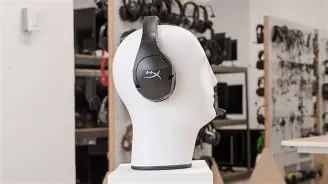
2) Is microphone fidelity important?
If you're streaming professionally or creating podcasts, plan on using a dedicated USB mic. The Stinger S mic is reliable for calls and casual streams, but it won't replace a condenser or dynamic USB mic for warm, full-bodied vocal capture. In my experience, friends on calls commented that my voice sounded clear but "a little thin" compared to when I switched to my USB microphone.
3) How important is comfort for extended wear?
Comfort is a standout here. If you regularly do multi-hour sessions, the Stinger S stays comfortable where some budget headsets start to dig in. I appreciated this during long workdays and multi-hour gaming sessions.
4) Do you need active noise cancellation (ANC)?
No — the Stinger S does not offer ANC (and I didn't expect it at this price). If you need ANC to block roommates, transit noise, or a bustling office, you'll want to look elsewhere.
5) Are you budget-sensitive?
If you want the best balance of comfort, usable sound, and a dependable mic for calls without spending a lot, the Stinger S hits a sweet spot in my experience. You get a lot of daily-usable features without paying premium prices.
Practical tips from my ownership
- Rotate headband adjustments occasionally to reduce asymmetric wear on the padding.
- If you’re using the headset on PC, try the USB adapter — it reduced noise for me and made the mic behavior more stable.
- Buy a set of replacement ear pads if you plan to use the headset daily for years — swapping them out refreshed comfort and isolation.
- For content creation, pair the headset with a modest USB mic; that combo kept costs down and improved audio quality dramatically when I streamed.
Final thoughts and conclusion
After months of regular use, here's my bottom line: the Cloud Stinger S is still a relevant and practical headset in 2026 for anyone who wants solid comfort, dependable in-game audio cues, and a microphone that works well for voice calls. It's not perfect — the microphone won't satisfy serious streamers, the finish shows wear faster than metal-framed headsets, and the soundstage is not a cinematic experience — but for the price and the class, I found its compromises sensible and the overall package pleasing.
In my experience, the Stinger S won me over through comfort and daily usability more than headline specs. If you prioritize long-wear comfort, straightforward controls, and clear voice communication for calls and casual gaming, I would still recommend considering it. If your priorities are premium materials, studio-grade vocal capture, or high-end audiophile playback, you should look at pricier alternatives.
Personally, I kept the Stinger S on my desk as my go-to headset. It became the one I reach for when I wanted something comfortable and reliable without fuss — and after eight months, that says a lot.