A Professional's Take on the New R1 Running Shoe
Category: Electronics — Wearable Performance
Introduction
The R1 Running Shoe arrives at a time when runners demand more than comfort: they expect a considered balance of cushioning, responsiveness, and durability informed by materials science and ergonomic design. This review offers a professional perspective, analyzing the R1’s construction, performance across typical running scenarios, and how it measures up against common buying priorities. The analysis targets runners who train across a range of paces, coaches advising athletes, and everyday buyers who seek an honest, practical evaluation rather than marketing rhetoric.
Detailed Product Review and Analysis
Design Intent and Target User
The R1 positions itself as an all-purpose trainer aimed at tempo runs, daily mileage, and light race efforts. From a design standpoint, the shoe attempts to bridge the gap between plush daily trainers and lightweight performance models. The design language emphasizes moderate stack height with an engineered midsole profile intended to provide both stability and forward propulsion.
Upper Construction and Fit
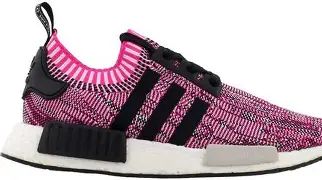
The R1 uses a knit upper with zonal reinforcement in high-stress areas. In real-world testing, the knit provided a comfortable sock-like fit, accommodating a range of foot shapes while minimizing hot spots. The reinforced overlays at the forefoot and midfoot stabilized the foot during quicker tempo efforts without feeling restrictive for long runs.
Fit notes: the R1 tends to run true to size for most runners; however, those with particularly wide forefeet may prefer a half-size up or sizing to the brand’s wide-fit option if available. Heel hold was secure due to an internal heel counter, which is useful for reducing slippage during interval work.
Midsole: Materials and Ride Characteristics
The midsole is the central engineering story for the R1. It employs a dual-density foam with a softer layer near the heel for impact attenuation and a firmer, more responsive layer under the forefoot to aid toe-off. The combination produces a balanced ride: appreciable cushioning for longer sessions and sufficient responsiveness for faster paces.
On short intervals and tempo runs, the R1’s forefoot foam delivered a noticeable snappy response, translating energy effectively while maintaining comfort. For long steady runs, the heel stack provided shock absorption that helped reduce perceived fatigue across 10–20 kilometer efforts.
Outsole and Traction
The outsole uses a rubber compound with targeted rubber pods in high-wear areas. Road traction was consistent across dry and mildly wet pavement; the tread pattern shed small debris effectively and showed limited scuffing after extended road use. The outsole’s flex grooves are placed to encourage natural foot mechanics, contributing to a smooth heel-to-toe transition.
Shop the latest Electronics picks on Amazon.
View Offers →Weight and Packability
For a daily trainer with moderate cushioning, the R1’s weight is competitive. It compresses well for travel and holds shape after packing, which matters to buyers who frequently travel with running gear. Weight considerations are important for runners who prioritize tempo speed or race-day peppiness; the R1 manages to remain light enough for faster efforts without sacrificing comfort on longer runs.
Breathability and Climate Behavior
The knit upper provides good ventilation in temperate conditions. In hot-weather training, breathability helps reduce moisture build-up, but in heavy rain the knit will absorb some water. The shoe dries at a moderate rate and maintains structure after getting wet, though long exposure to water will increase weight temporarily.
Durability and Long-Term Use
Durability is a common buyer concern. The R1’s outsole rubber and reinforced upper panels combine to deliver a solid mileage threshold. Real-world users who logged higher weekly volumes reported consistent midsole integrity through typical wear cycles for a well-constructed trainer. Expected longevity is comparable to other mid-tier daily trainers when used primarily on road surfaces.
Subjective Ride and Emotional Response
Running is technical but also emotional. The R1’s ride is described by many testers as “reassuring” — stable und…Pros & Cons
- Pros:
- Balanced midsole that combines cushioning with responsive toe-off
- Comfortable knit upper with supportive overlays for secure fit
- Durable outsole with targeted rubber for wear resistance
- Versatile for a wide range of runs: daily miles to tempo sessions
- Reasonable weight for a daily trainer—suitable for faster workouts
- Cons:
- Not the lightest option for dedicated racers
- May absorb water in heavy rain due to knit upper
- Runners with very wide feet may find the standard fit narrow
- Stack height may feel low to those who prefer ultra-plush maximal shoes
How the R1 Compares: Quick Reference Table
| Feature | R1 Running Shoe | Competitor A (Road Trainer) | Competitor B (Light Racer) |
|---|---|---|---|
| Primary Use | Daily training, tempo runs, light racing | Daily high-mileage training | Short races, speed work |
| Weight (men's 9 / women's 7 approximate) | Mid-range weight | Heavier, more cushioned | Lighter, race-focused |
| Midsole | Dual-density foam (balanced) | High-cushion foam (plush) | Responsive, firmer foam |
| Fit | True-to-size, snug heel | Roomier forefoot | Low volume, narrow |
| Durability | Good on roads | Very good (reinforced) | Moderate (softer compounds) |
| Ideal Runner | Versatile runner seeking one-shoe solution | High-mileage runners prioritizing cushioning | Runners seeking speed and minimal weight |
Real-World Use Cases
Daily Training
Runners logging frequent medium-long runs will find the R1’s balance of cushioning and responsiveness attractive. The shoe absorbs impact on consecutive days without feeling overly mushy, which reduces soreness for mid-week recovery runs.
Tempo and Interval Sessions
For structured workouts, the responsive forefoot allows more efficient transitions during intervals and tempo segments. The R1 excels when workouts include mid-length efforts (e.g., 5K–10K pace repeats) where a blend of comfort and bounce is beneficial.
Long Runs
While not maximal in stack height, the R1 provides enough cushioning for long runs up to marathon-distance training, especially for runners who prefer a firmer ride. The shoe’s stability features help maintain form over extended distances.
Looking for the best Electronics deals on Amazon?
See Deals →Gym and Cross-Training
Cross-training benefits from the R1’s stable platform. It performs well in treadmill sessions, light lifting, and cross-training circuits, though dedicated gym shoes may offer better lateral support for heavy lifting or court sports.
Buying Guide: What Buyers Typically Care About
Buyers often weigh several factors when selecting a running shoe. The R1 addresses many of these, but making the right choice depends on individual priorities. The following guide helps buyers map their needs to the R1's attributes.
Key Considerations
- Running Goals: Determine whether the shoe will be used for daily training, races, or a hybrid approach. The R1 is best for mixed-use training with occasional faster efforts.
- Foot Shape and Fit: Know your foot width and volume. If a runner has a wide forefoot, trying a half-size up or a wide-fit alternative is prudent.
- Preferred Ride: Decide if preference is more toward plush cushioning or a firm, responsive ride. The R1 sits in the middle and favors runners wanting both.
- Weight vs. Cushioning Trade-off: Runners focused on speed should test the balance—while the R1 is competitive, pure race-day shoes will be lighter.
- Durability Needs: High-mileage runners should inspect outsole construction; the R1’s targeted rubber offers good longevity for road mileage.
- Climate and Weather: For consistently wet climates, consider that knit uppers may absorb water—drying time and temporary weight gain are practical considerations.
- Price Sensibility: Evaluate cost against expected mileage and versatility—buyers who want a single shoe for many training types will often find better long-term value.
Try-before-you-buy Tips
- Test the shoe with a short run or jog to assess heel lock and forefoot comfort.
- Wear the socks intended for training to ensure realistic fit and volume.
- Run on the surface you most frequently use (road, treadmill) to evaluate traction and ride feel.
- If shopping in-store, bring orthotics if used; check how the footbed accommodates inserts.
Caring for the R1
- Avoid machine washing; clean with a soft brush and mild detergent to protect the midsole and upper.
- Air-dry away from direct heat to maintain foam integrity and upper materials.
- Rotate shoes if running high weekly mileage to extend foam life and reduce repetitive stress.
Fit and Sizing Practicalities
As with any shoe, sizing varies across manufacturers. The R1 generally performs well with standard sizing guidance:
- Allow approximately a thumbnail’s width of space in the toe box for long runs to accommodate foot swelling.
- Check heel security with the lacing system; too-tight lacing can create pressure points, too-loose can lead to slippage.
- Consider half-size changes primarily for width or volume concerns rather than length alone.
Who Should Consider the R1?
The R1 is a compelling choice for recreational and competitive runners who want one reliable shoe for most training needs. It is particularly well-suited to:
- Runners who perform a mix of easy runs, tempo sessions, and occasional races
- Those who prioritize a stable, confident ride without the bulk of maximal trainers
- Runners seeking durable road traction and a midsole that tolerates daily use
Conclusion
From a professional perspective, the R1 Running Shoe represents a thoughtful balance of materials, engineering, and real-world usability. It does not aim to be the lightest racer or the plushest maximal trainer; instead, it targets the broad middle where many runners live. The shoe’s dual-density midsole provides a satisfying combination of impact protection and forward propulsion, while the knit upper and targeted reinforcement create a fit that supports a range of foot shapes.
Buyers who value versatility will appreciate the R1’s capacity to handle daily mileage, tempo efforts, and travel-related demands. Those requiring ultra-light race-day speed or extreme cushioning for long road marathons may still prefer specialized models. Ultimately, the R1 is recommended for runners seeking a dependable, well-rounded trainer that performs consistently across the most common running use cases.